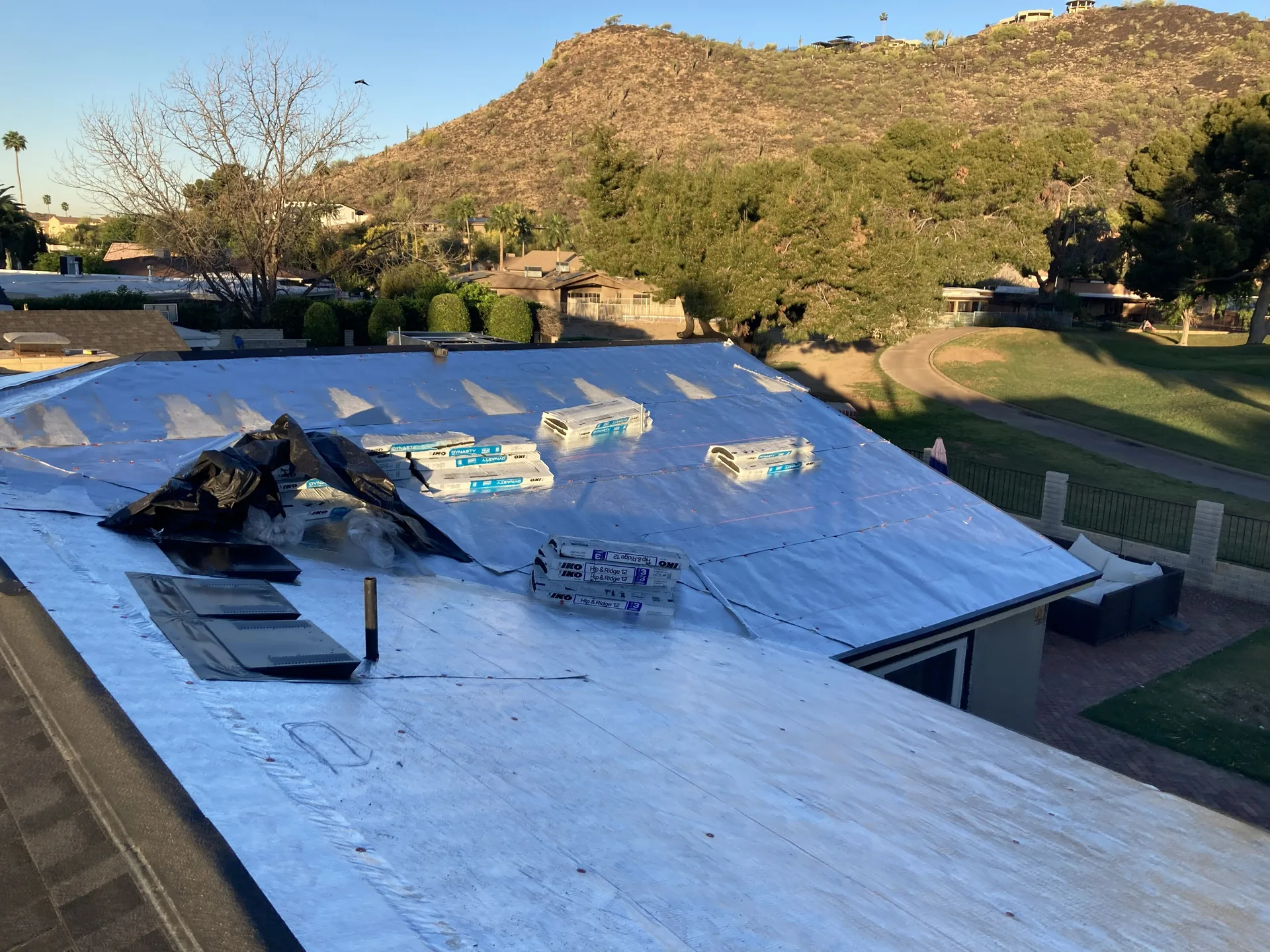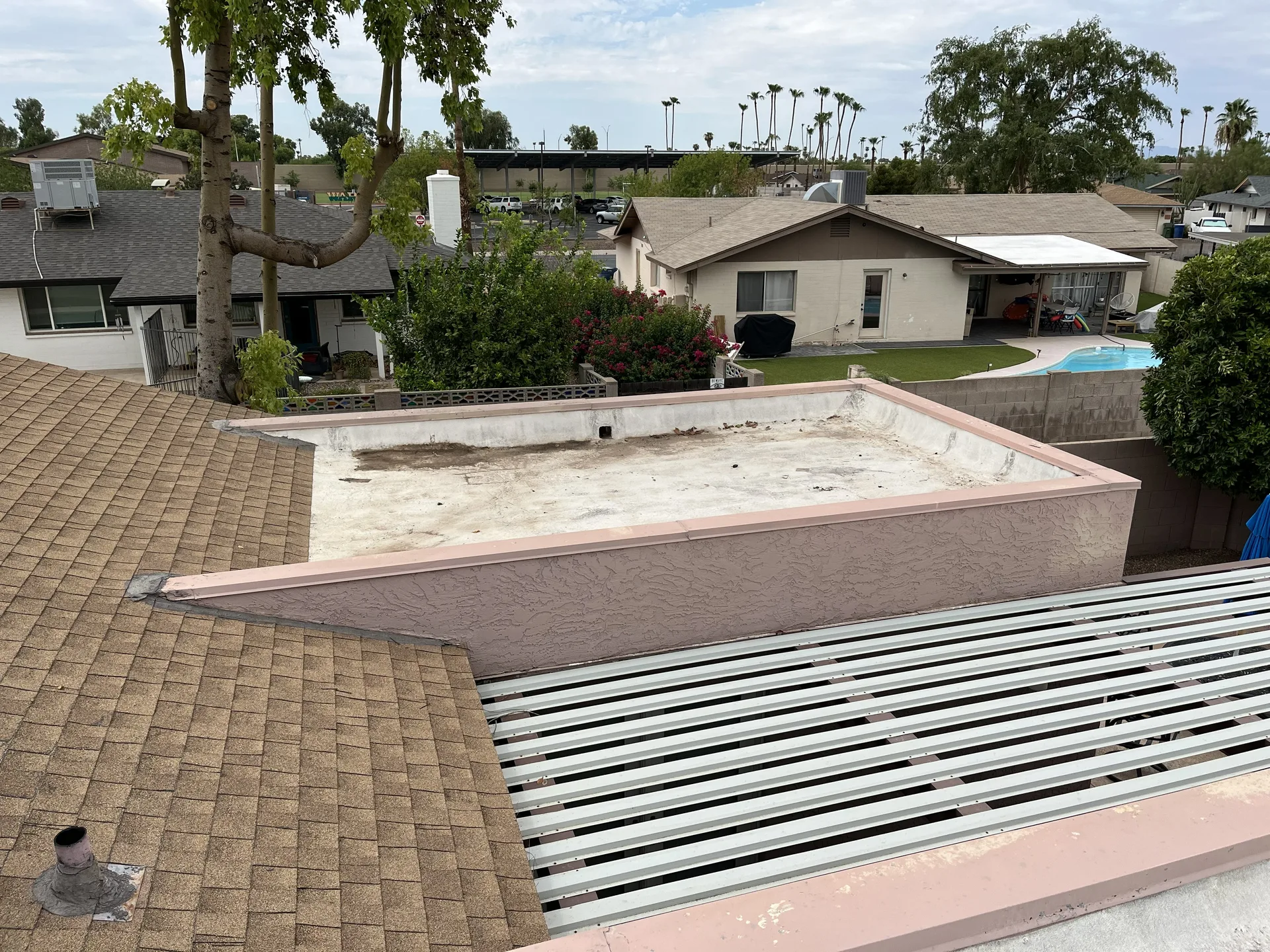
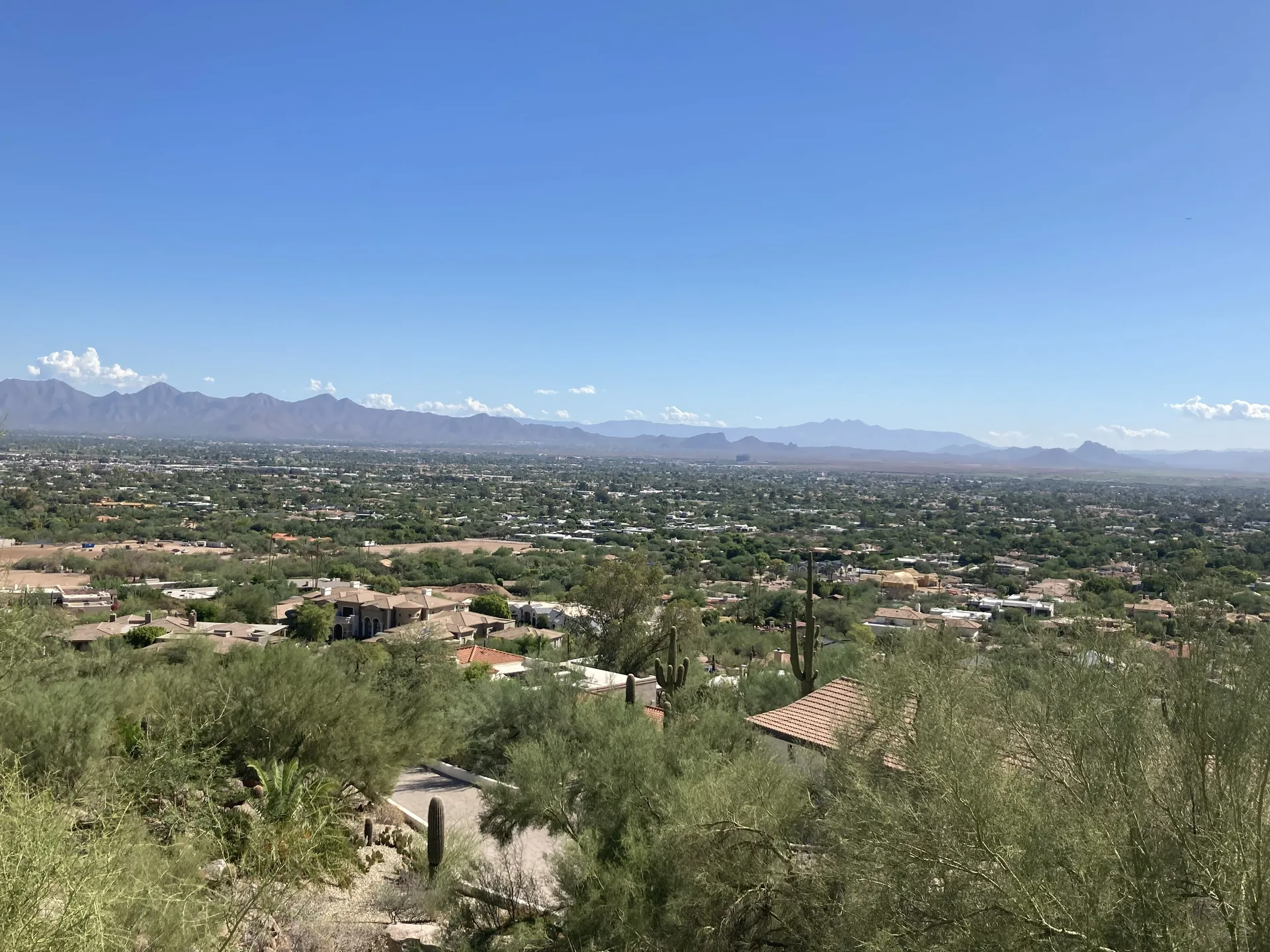
Arizona desert hillside neighborhood in the summer sun
Arizona homes. Practical thermal solutions.

Reduce Heat.
Improve Comfort.
Protect Your Home.

Arizona heat places constant pressure on your roof, attic, exterior walls and cooling system. Explore practical thermal-protection and heat-reduction solutions designed for your home.

A construction-based approach. Not a one-size-fits-all package.
Built for Arizona homes
Designed to reduce heat transfer
Property-specific recommendations
Clear, written project scopes
Start with what you’re feeling

Is your home fighting
the Arizona heat?

Heat can enter through your roof, attic and exterior walls—making rooms uncomfortable and your cooling system work harder. Sound familiar?

Every home is different. We begin by understanding where the heat is entering, what improvements already exist and what you want to accomplish.

Tell Us About Your Home
Certain rooms stay hotter than the rest of your home.
Upstairs areas are difficult to cool.
Your attic holds excessive heat.
Exterior walls feel noticeably warm.
Roof heat transfers into your living space.
Your air conditioning runs for long periods.
Summer electric bills are difficult to manage.
You want thermal or fire-resistant protection.
A roof replacement is an opportunity to upgrade.
Your older home lacks modern thermal products.
Thermal protection, from the outside in

Home energy &
thermal solutions.

Practical options to reduce home heat transfer and improve indoor comfort. Selected for your property—not predetermined.

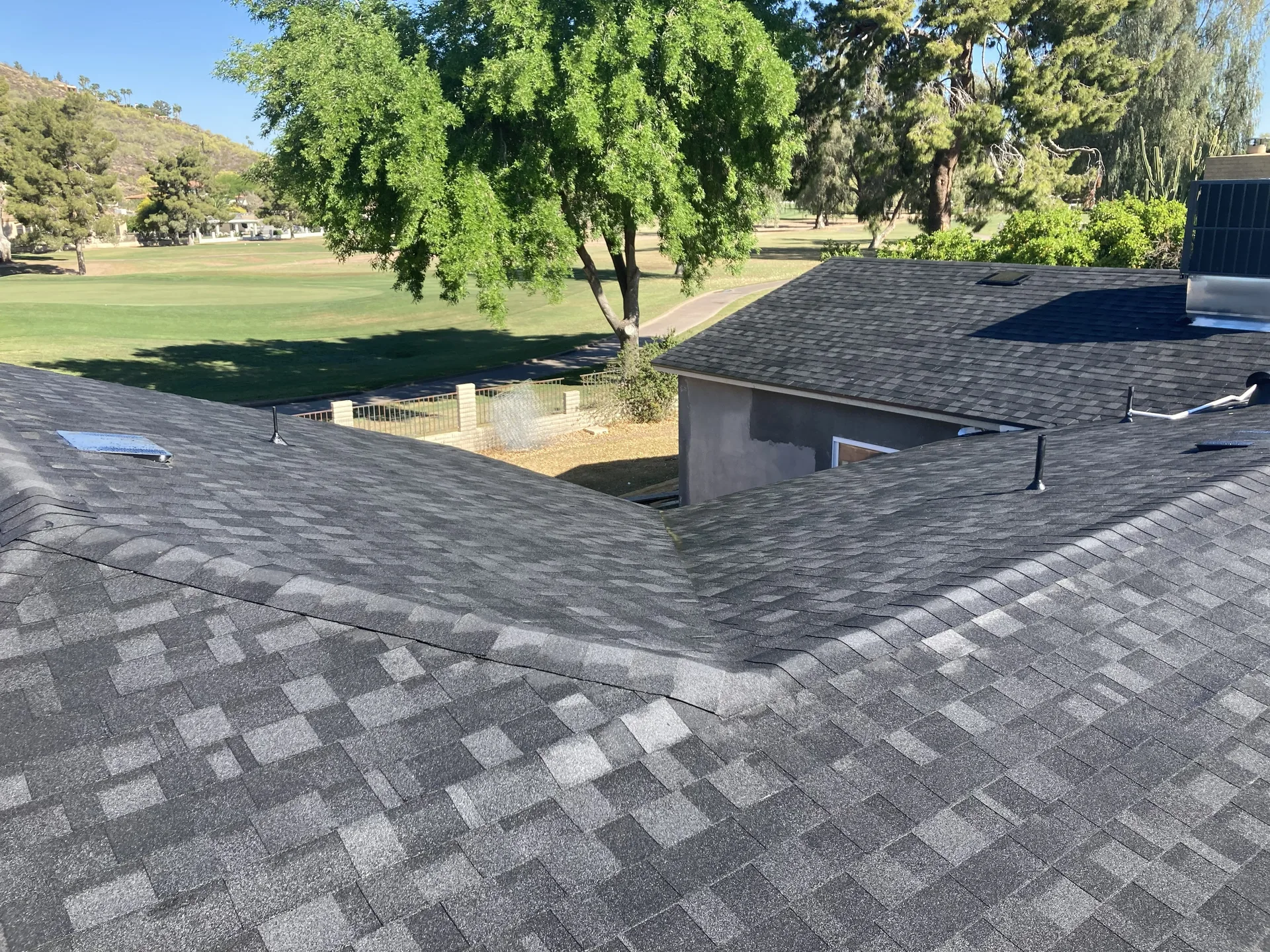
Completed shingle roof on an Arizona home by Red Build
Roof protection

Roof Thermal-Barrier Systems

Thermal blankets, specialized roof underlayments and approved roofing components may help reduce heat transfer through the roof assembly.

Options depend on roof type, existing construction, product requirements and whether your project is a replacement or retrofit.

Explore options for your home
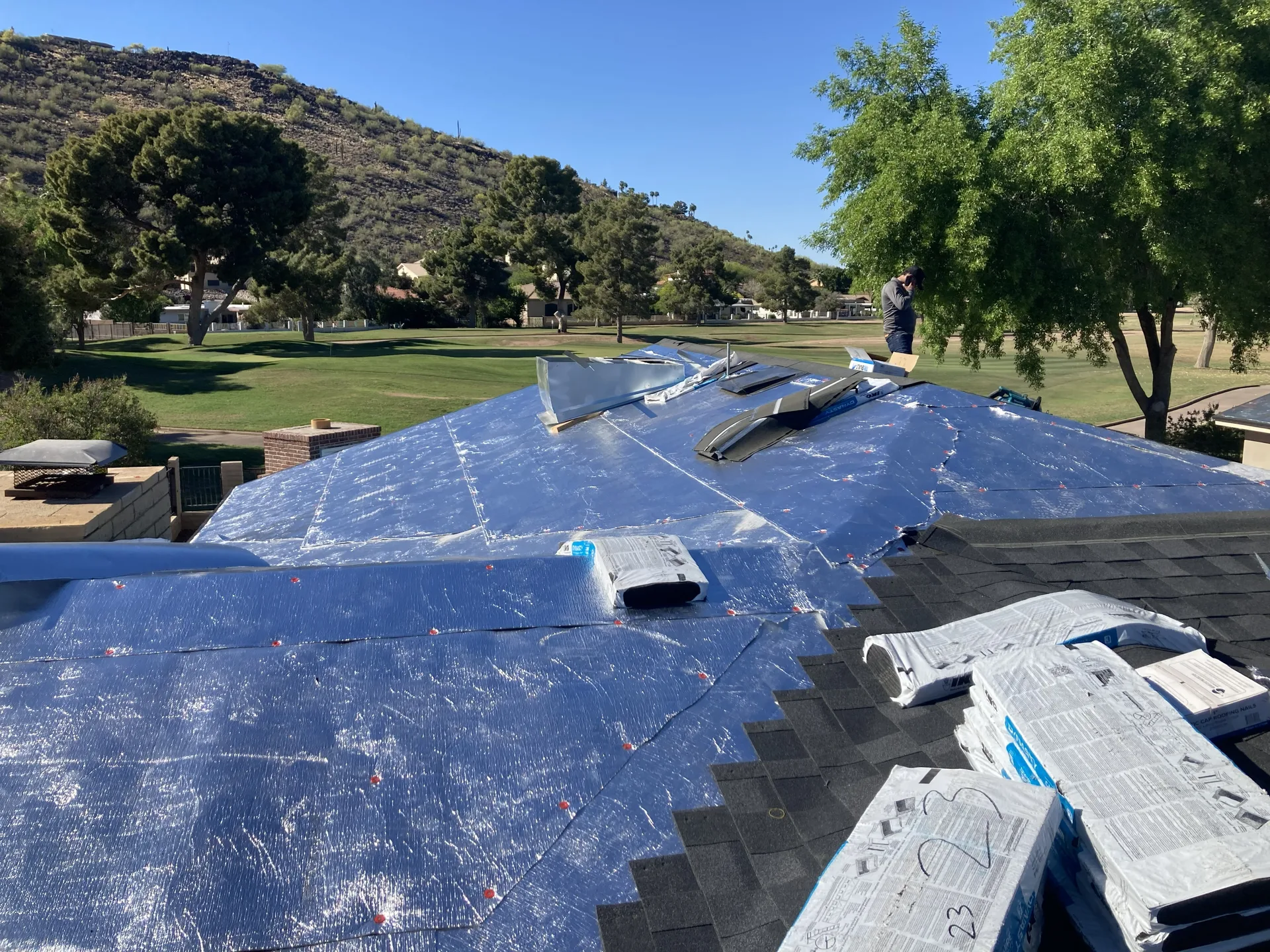
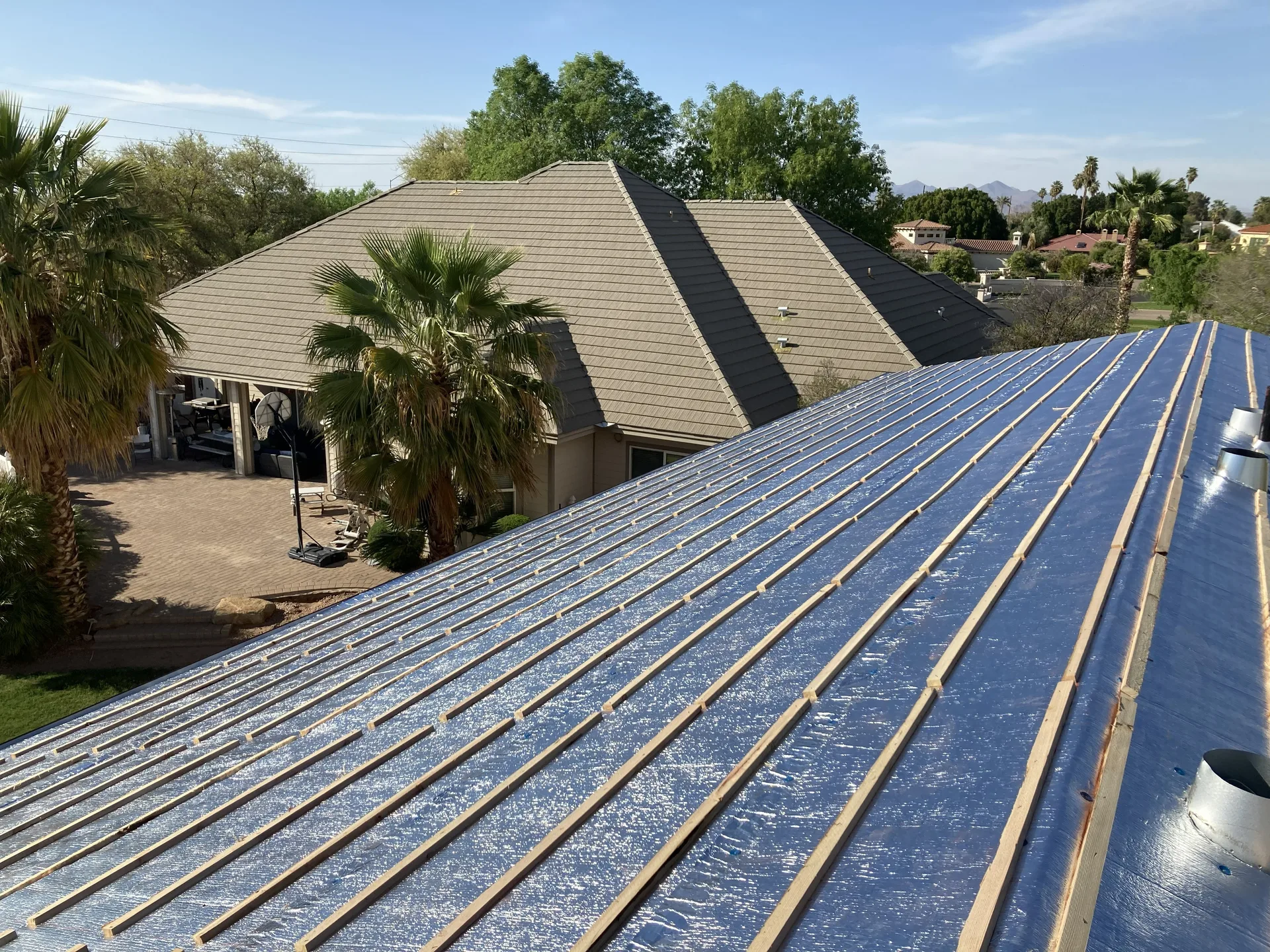
Reflective thermal blanket installed over a roof deck by Red Build
Attic performance

Attic Thermal & Radiant Barriers

Attic thermal and radiant-barrier systems may help reduce radiant heat entering the attic and transferring toward your living space.

Attic access, ventilation, insulation and existing conditions are reviewed before a system is recommended.

Explore options for your home
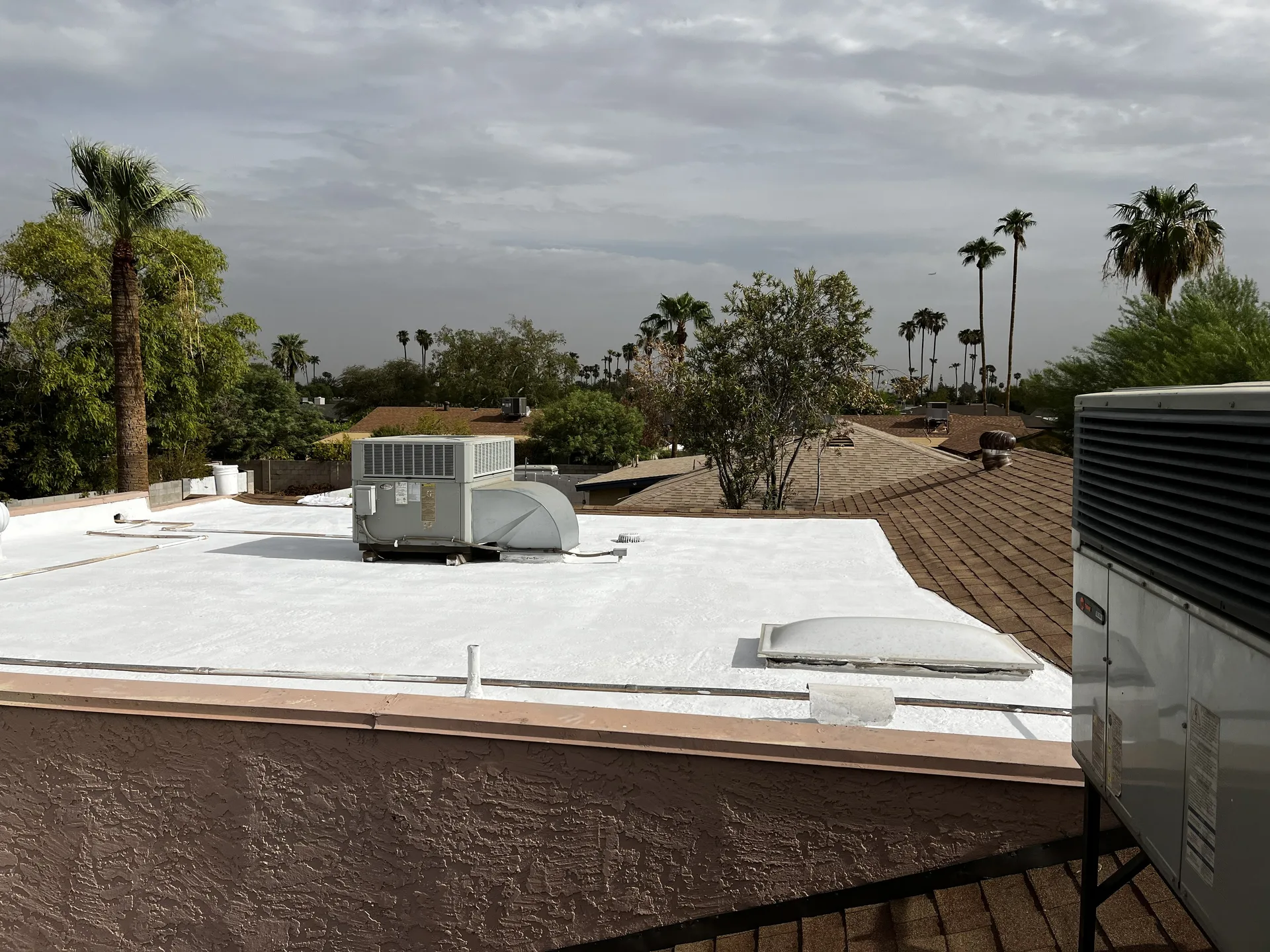
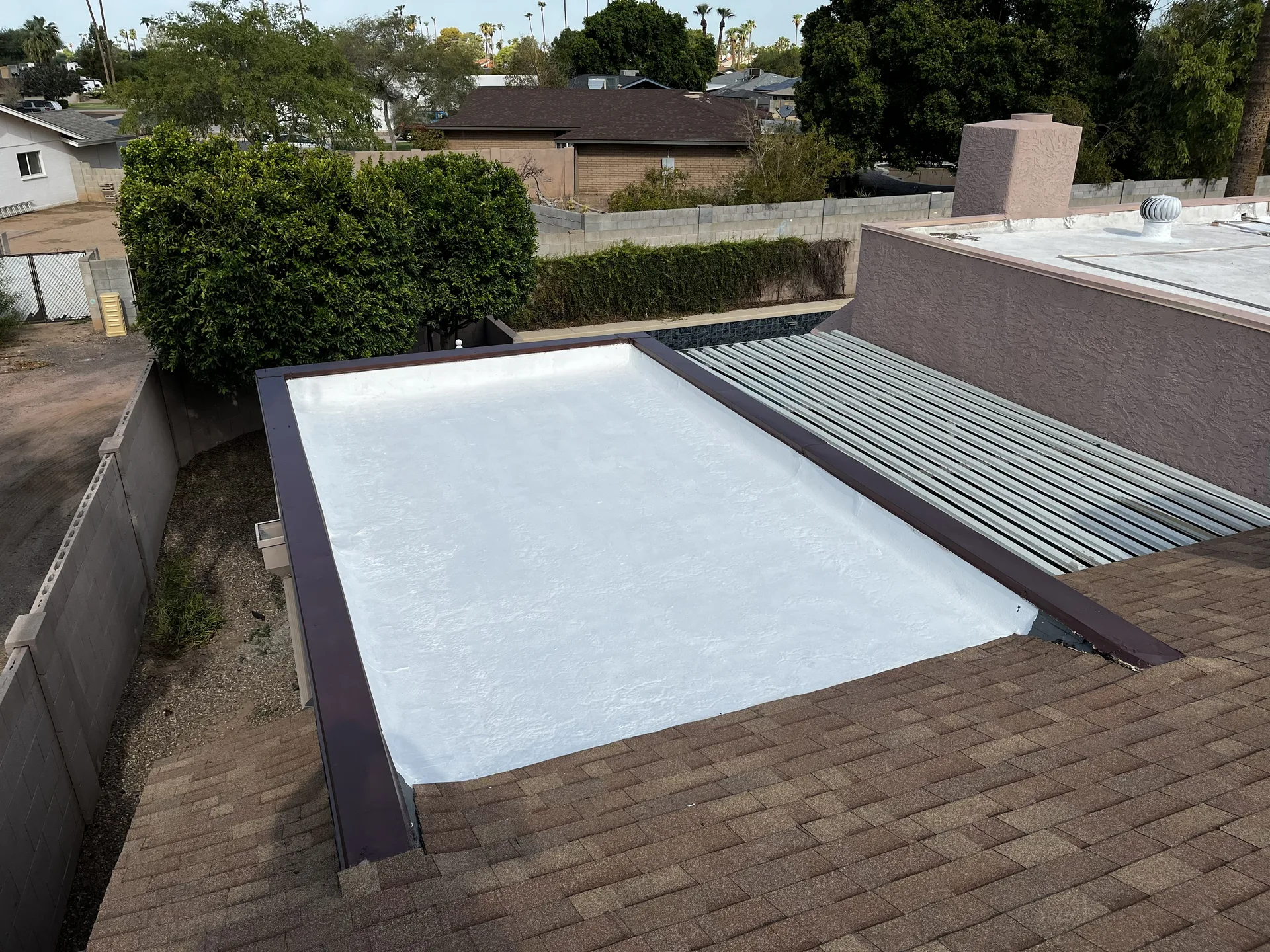
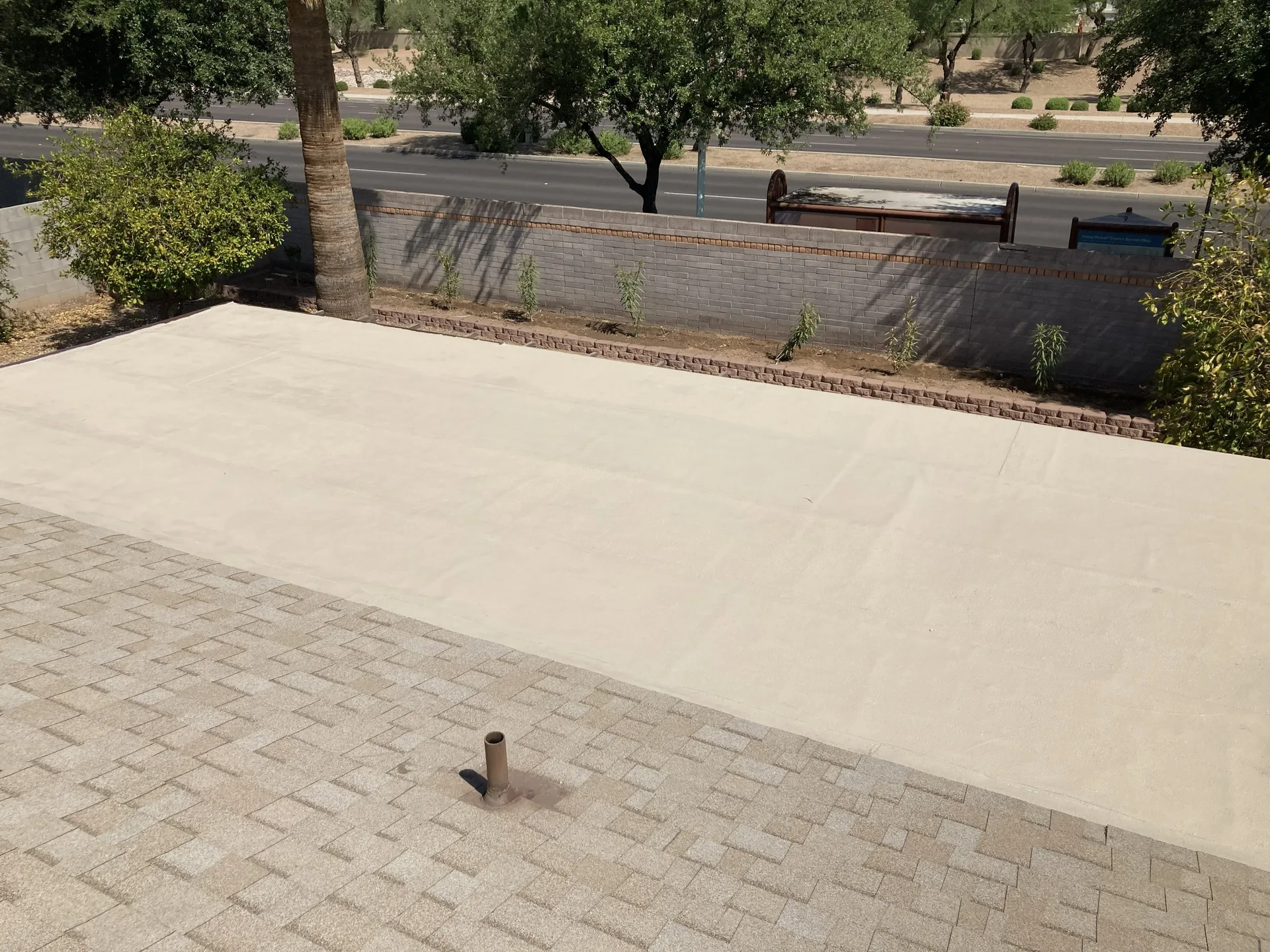
Patio cover roof finished with a white heat-reduction coating by Red Build
Surface protection

Ceramic Paints & Thermal Coatings

Specialized ceramic paints and coatings may help reduce heat absorption or transfer when correctly selected and properly applied.

All performance statements must be based on the selected manufacturer’s published specifications.

Explore options for your home
Additional protection

Fire-Resistant Attic Options

Properly rated materials may provide additional fire-resistant or ignition-resistant protection while supporting your home’s thermal goals.

Fire-resistant materials do not make a home fireproof. Tested product ratings and manufacturer specifications determine all claims.

Explore options for your home
Building envelope

Exterior-Wall & House-Wrap Systems

Thermal house wrap and exterior-envelope products may help reduce heat transfer through walls when incorporated into an exterior project.

Generally considered during remodeling, repair or exterior-cladding work—not as a simple surface treatment.

Explore options for your home
A connected approach

Whole-Home Thermal Review

A practical review of the roof, attic, walls, coatings and existing conditions helps identify the right next steps for your home.

This is a property review, not a guaranteed engineering study or certified energy audit unless separately arranged.

Explore options for your home

Product performance depends on your home, installation method and materials selected. No specific savings or temperature reductions are guaranteed.

The home comes first

One home.
A connected system.

Treating one area without considering the roof, attic, ventilation, walls and existing insulation may not address your actual concern.

We begin with your home and the problem—not a predetermined product. Together, we explore an appropriate scope based on property conditions, priorities and budget.

01

Understand where the heat is entering.

02

Select products appropriate for your home.

03

Establish a clear scope before work begins.

A clear path forward

From your first question
to the right next step.

A straightforward process to understand your home and make an informed decision.

01

Tell Us About Your Home

Complete our homeowner questionnaire or call Red Build Home Energy.

02

Initial Review

We discuss your home, comfort concerns, existing improvements and what you want to accomplish.

03

Property Assessment

When appropriate, a site visit is arranged to inspect roof, attic, exterior-wall or coating conditions.

04

Recommendations & Written Scope

Receive recommended next steps. Before work begins, any proposal identifies the contractor, products, scope, pricing and limitations.

Why Red Build
Home Energy?

Focused on Arizona heat and Arizona homesPart of the Red Build AZ organizationA practical, construction-based approachMultiple product and improvement optionsNo one-size-fits-all packageClear written scopes and expectationsQualified specialty contractors when neededCentralized communication through Red Build AZ
Good questions. Clear answers.

What homeowners
want to know.

Every property is different. We’re here to help you understand what may be appropriate for yours.

480-374-1978
Will these improvements lower my electric bill?

Thermal-envelope improvements may reduce heat gain and may help a cooling system operate more effectively. Actual energy use and savings depend on the home, weather, equipment, homeowner habits, selected materials and installation conditions. No specific savings are guaranteed.

Can these products be installed on an existing home?

Many products may be appropriate for existing homes, but feasibility depends on roof condition, attic access, exterior construction and the proposed project scope.

Do I need to replace my roof?

Not necessarily. Some thermal improvements may be installed independently, while other systems are best considered during a roof replacement. The existing roof must be reviewed before making a recommendation.

What protection do fire-resistant attic products provide?

Fire-resistant or ignition-resistant materials may provide additional protection based on their tested ratings, but they do not make a home fireproof.

Who performs the work?

The responsible contractor depends on the project. Red Build Home Energy may coordinate work through its licensed contracting relationship and qualified specialty subcontractors. The responsible contracting party and applicable license information will be identified before a customer signs a construction agreement.

Do you use the same product on every home?

No. Recommendations depend on the home, the homeowner’s concerns, existing construction, access, budget and the manufacturer requirements of any proposed product.

Let’s start with your home

Tell us about
your home.

Share what you’re experiencing and what you’d like to improve. We’ll use your information to discuss practical next steps for your Arizona home.

480-374-1978admin@RedBuildAZ.com

4435 East Chandler Boulevard, Suite 200
Phoenix, Arizona 85048

A home energy review is a practical property review—not a certified energy audit or engineering study unless separately arranged.

01

Your contact information

* Required
02About your property
03

What can we help with?

Your information is used to respond to your inquiry.

Red Build Home Energy is presented as part of the Red Build AZ organization. Project requirements vary. Depending on the scope of work, services may be performed or coordinated through the applicable licensed contractor and qualified specialty subcontractors. The responsible contracting party, applicable license information, products, scope, pricing and warranties will be identified in the customer’s written proposal or agreement before work begins.

Thermal, fire-resistant and energy-performance results vary by property, product and installation conditions. No specific temperature reduction, energy savings or fire-protection outcome is guaranteed. Product-related statements must be consistent with applicable manufacturer specifications and tested ratings. Fire-resistant materials do not make a structure fireproof.

CallEmailRequest Review